

+919599428924

Currently it only shows your basic business info. Start adding relevant business details such as description, images and products or services to gain your customers attention by using Boost 360 android app / iOS App / web portal.

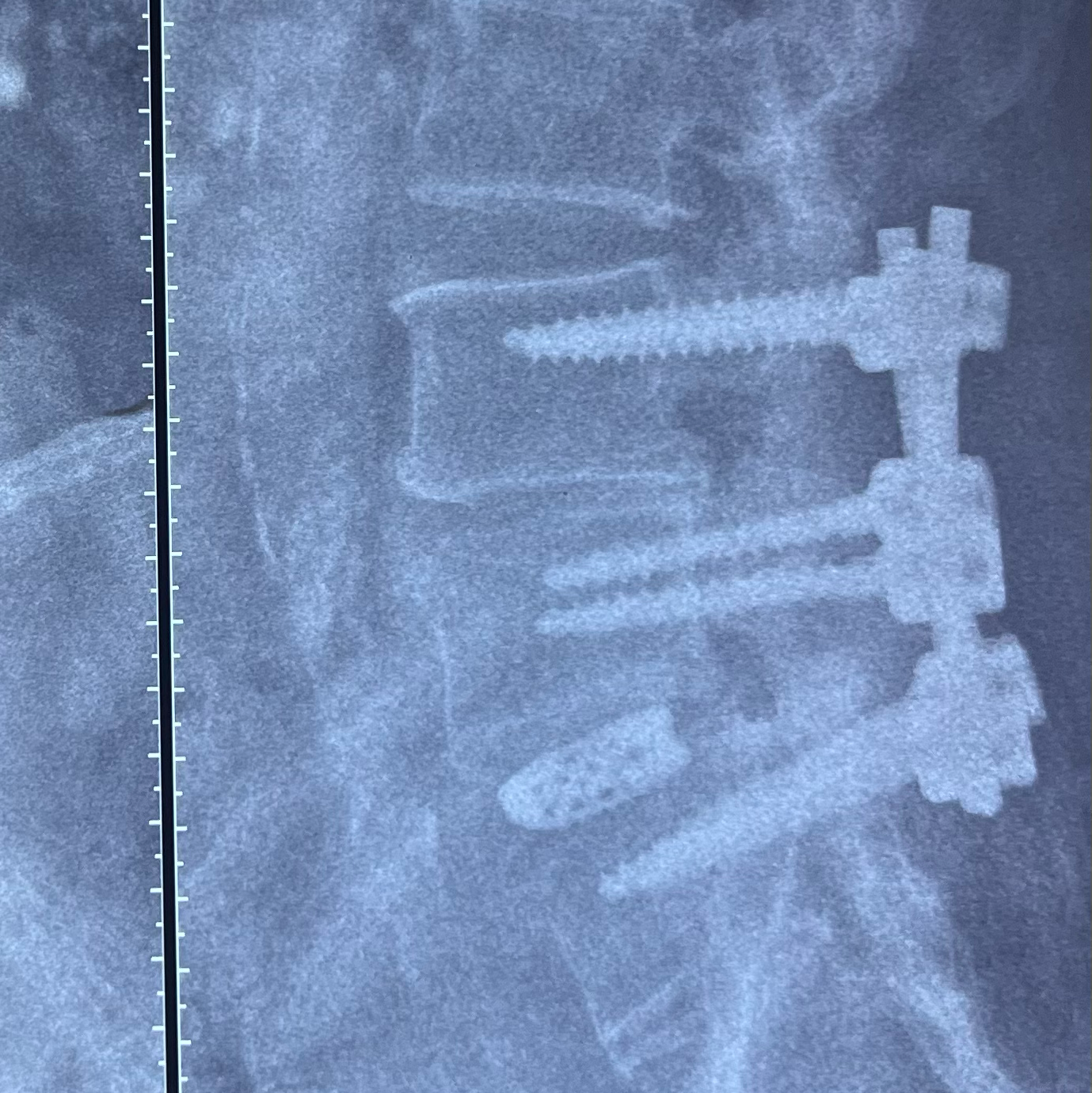
Understanding Tandem Stenosis and Its Successful Management Tandem stenosis refers to spinal canal narrowing at more than one level, most commonly affecting both the cervical and lumbar spine. In some cases, the thoracic (dorsal) spine may also be involved. This condition can lead to a combination of symptoms such as pain, numbness, weakness, and difficulty in walking due to multi-level nerve compression. Case Example: A 65-year-old female presented with lower back pain radiating to both legs, reduced walking and standing tolerance, and significant imbalance while walking. She required support and was unable to walk straight. She also experienced tingling, numbness, and heaviness in her legs, especially during prolonged standing or walking. Her MRI showed L5 spondylolisthesis with severe stenosis and nerve compression. Additionally, she had cervical myelopathy caused by disc herniation and osteophyte formation at the C5–C6 level. After detailed evaluation and counseling, she underwent simultaneous cervical and lumbar spine surgery under a single anesthesia session performed by Dr. Pramod Saini at Max Super Speciality Hospital. • Cervical Procedure: Anterior cervical corpectomy with cage and plate fixation • Lumbar Procedure: Pedicle screw fixation with laminectomy and decompression Outcome: The patient was mobilized within 2 days and discharged after 3 days. At 6-week follow-up, she showed significant improvement and was able to walk independently. This case highlights how modern surgical techniques allow safe and effective simultaneous management of tandem stenosis, reducing recovery time and improving patient outcomes.


