

+919599428924

Currently it only shows your basic business info. Start adding relevant business details such as description, images and products or services to gain your customers attention by using Boost 360 android app / iOS App / web portal.

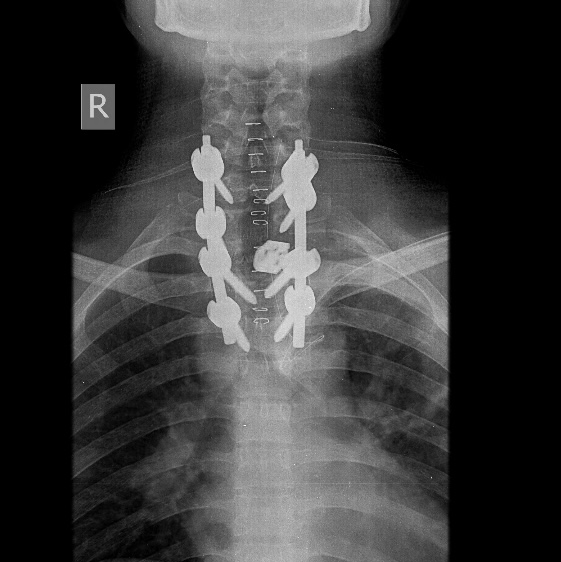
Why Long-Standing Back or Neck Pain Should Never Be Ignored: The Importance of Early MRI Persistent back or neck pain that does not improve with conservative treatment should never be taken lightly. While many cases are mechanical and resolve with medications, physiotherapy, and lifestyle modifications, some may be the first sign of a serious underlying spinal condition. This case highlights why the threshold for ordering an MRI should be low, especially when symptoms persist or progressively worsen. A 22-year-old male presented with neck pain that had been ongoing for nearly three months. Initially, he consulted an orthopedic surgeon, where the pain appeared mechanical in nature—it occurred primarily during neck movements and was absent at rest. An X-ray of the cervical spine was reported as normal, and the patient was started on medications, physiotherapy, and exercises. Despite diligently undergoing physiotherapy for over a month, his pain continued to worsen instead of improving. He was advised to continue conservative treatment, but with no significant relief, he sought another opinion from Dr. Pramod Saini, Associate Director, Max Super Specialty Hospital, Noida. Recognizing that persistent pain despite appropriate treatment warranted further evaluation, Dr. Pramod Saini recommended an MRI of the cervical spine. The MRI revealed a dramatic and unexpected finding—a complete collapse of the T2 vertebral body with a pathological fracture, associated abscess causing spinal cord compression, and local spinal deformity. The findings were highly suggestive of spinal tuberculosis (TB spine). Given the significant deformity and spinal cord compression, the patient was counseled regarding the urgent need for surgery. He subsequently underwent spinal decompression and stabilization surgery using advanced computer navigation and intraoperative neuromonitoring. Simultaneously, a biopsy was performed during the surgery. The biopsy confirmed tuberculosis, following which the patient was started on appropriate anti-tubercular (TB) medications. The use of computer navigation was particularly crucial because instrumentation around the upper thoracic spine is technically challenging, and accurate screw placement is essential to avoid complications. Intraoperative neuromonitoring played an equally important role, continuously monitoring spinal cord function throughout the procedure and helping prevent neurological injury in a patient who fortunately had no neurological deficits before surgery. The surgery was successful, and the patient experienced excellent postoperative recovery with significant relief of symptoms. Key Learning Points • Long-standing neck or back pain that fails to respond to conservative treatment should never be ignored. • A normal X-ray does not rule out serious spinal pathology such as infection, tuberculosis, tumor, or occult fractures. • MRI is the gold standard for evaluating persistent spinal pain and can detect conditions that are completely missed on plain radiographs. • Surgeons should maintain a low threshold for ordering an MRI, particularly when symptoms are progressive or disproportionate to clinical findings. • Early diagnosis can prevent catastrophic complications such as spinal deformity, neurological deficits, paralysis, and the need for more extensive surgery. • Tissue biopsy at the time of surgery not only establishes the diagnosis but also guides definitive treatment, as demonstrated by the confirmation of spinal tuberculosis in this patient. • Advanced technologies like computer navigation and neuromonitoring significantly enhance surgical precision and patient safety in complex spine procedures. This case serves as a powerful reminder that timely MRI and early specialist evaluation can be life-changing. Persistent pain is the body’s warning signal—listen to it before irreversible damage occurs. When back or neck pain persists despite appropriate treatment, don’t delay an MRI—early diagnosis can save the spine and prevent permanent disability. #DrPramodSaini #SlippedDisc #TBSpine #InfectiousSpine #SpineSurgery #BestSpineSurgeonNoida #BestSpineSurgeonIndia #SpinalTuberculosis #MRI #BackPain #NeckPain #SpinalCordCompression #Navigation #Neuromonitoring #EarlyDiagnosis #Tuberculosis #SpineHealth


